Guide 6 min read
Can you sell your company's data to AI labs? What they buy and how the deals work
AI labs have started paying companies for old Slack threads, tickets and process documents. Here is what they look for, what they avoid, and how a deal usually comes together.
Mohtada Jokhio, Co-founder
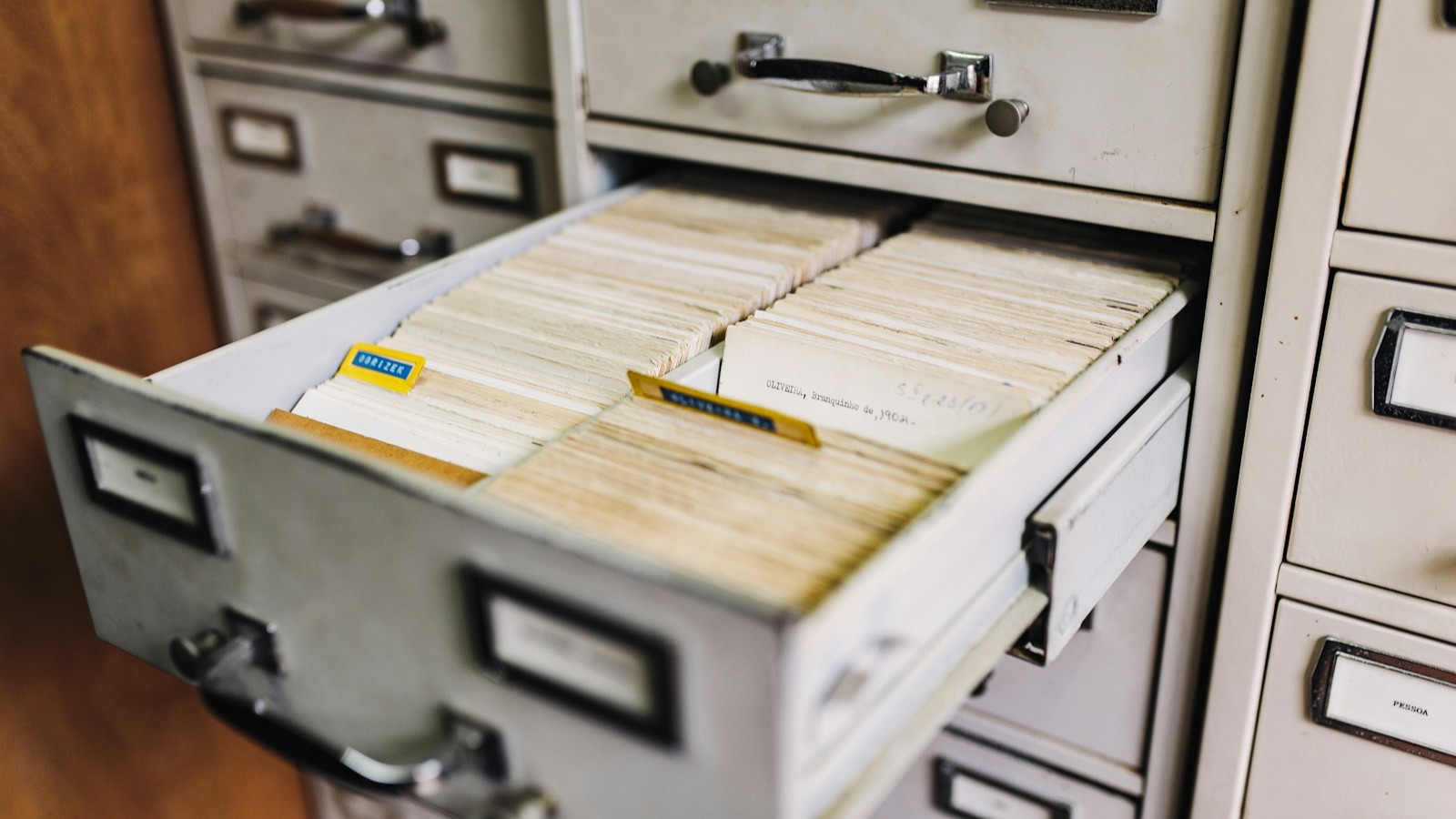
A year or two ago, if you had told a founder they could sell their company's data to AI labs, they would probably have laughed. Old Jira tickets and Slack threads were the leftovers of work already done, and nobody thought of them as an asset.
That has changed quickly. AI labs now pay companies for internal records like chat history, support tickets, process documents and CRM data, and use them to train models that are meant to do real work. MIT Technology Review reported in October 2026 on labs buying archives from startups that had shut down, and Fast Company wrote about founders who sold years of chat and email history after closing their companies.
So yes, it can be done, and more often it is licensed than sold outright. Whether you should do it, and what you would actually be handing over, deserves a slower look. This guide walks through what labs want, what they stay away from, and how these deals tend to work.
Why AI labs want ordinary company records
Language models learned most of what they know from the public internet. The internet is full of finished things, like articles, documentation and answers to questions. It has very little of the messy middle of work, the part where someone asks a colleague for help, a request bounces between two teams, or a refund gets approved because the customer has been loyal for years.
That messy middle is exactly what labs need now. The industry has moved from chatbots that answer questions toward agents that are supposed to complete tasks inside real companies. To learn that, a model needs examples of how work actually moves through an organization, including the exceptions and the judgment calls. Your company has been producing those examples for years without anyone noticing.
What labs are looking for
Most buyers are interested in some mix of the following.
- Written procedures, playbooks and process documents that describe how things are supposed to be done.
- An internal wiki or knowledge base, especially one that people actually used.
- Templates and frameworks your team relies on for recurring work.
- Project and ticket history from tools like Jira, Linear or Zendesk, ideally going back several years.
- CRM and workflow records that show how deals, orders or requests moved from start to finish.
- A history of completed tasks with their outcomes, so it is clear what was done and how it turned out.
- Internal conversations in Slack, Teams or email, when everyone involved agrees they can be included.
The most valuable thing is usually the combination. A procedure tells a model how a task is supposed to go. The ticket history shows how it really went, including the times someone skipped a step or had to improvise. Put the two side by side and you have something the public internet almost never offers. We look at this more closely in what makes company data valuable to AI labs.
What labs will not touch
Careful buyers are picky about what they take on, because a bad dataset can create legal trouble for them long after the deal closes.
They generally avoid data you do not have the right to share. If your CRM holds information that belongs to your clients under contract, that part may be off limits however useful it looks. The same goes for material you licensed from someone else in the first place.
They are wary of sensitive personal information that cannot be cleaned properly, such as health or financial details about individuals. And they tend to pass on archives with no context, like a folder of exported files where nobody can say what the documents are or how they relate to each other.
None of this means your data is useless because it contains personal details. Almost every real workplace archive does. It means those details have to be handled carefully before anything changes hands, which we cover in how to de-identify workplace data without destroying what makes it useful.
How a deal usually comes together
Every buyer works a little differently, but most deals follow a similar path.
It starts with a rough inventory. You describe what you have, which tools it lives in and roughly how big each export would be. Nobody expects exact figures at this stage, and a good estimate is plenty.
Then there is a conversation about what the buyer is looking for and whether your data fits. If it does, an audit usually follows. The buyer looks at samples, checks that you have the right to share the data, and works out what it is worth to them.
After that come the terms. The questions that matter most are how much you are paid up front, whether you earn anything when the data is licensed again later, who owns it afterwards, what the buyer is allowed to do with it, and whether the arrangement is exclusive.
Before anything is transferred, the data has to be prepared. Personal information gets removed or replaced, consent is confirmed where it is needed, and both sides agree on a format. Only then does the data actually move, usually through a secure transfer that the two teams set up together.
Questions worth asking any buyer
If you are talking to a lab, a broker or a data partner, these questions will tell you a lot about how they operate.
- Who will see the data, and will it be passed on to anyone else?
- Will I be paid once, or also each time the data is licensed again?
- Who removes personal information, and can I see exactly how it was done?
- What happens if a former employee or customer asks to be taken out?
- Is the agreement exclusive, and for how long?
- What am I allowed to say publicly about the deal?
A buyer who answers these clearly and puts the answers in writing is usually one you can work with.
Some caveats worth keeping in mind
This market is new and the rules around it are still forming. The people who wrote those Slack messages years ago did not expect them to train AI models, and some of them would find that uncomfortable. That concern is fair. The way to respect it is to take consent and de-identification seriously, which also happens to be what protects you.
It is also worth being realistic about value. A large archive is not automatically a valuable one, and a small company with clean, well documented processes can be more interesting to a buyer than a big one with a decade of disorganized files.
Where to start
If you are curious whether your company's records would interest an AI lab, the inventory is the best first step. List the tools your team uses, what kind of records each one holds and how many years they go back.
At Synthsis Labs we work with companies on exactly this, and our data partner page explains how we structure these partnerships. If you would like us to take a look, you can tell us about your data here. It takes a few minutes and does not commit you to anything.